Foods That Naturally Balance Your Electrolytes
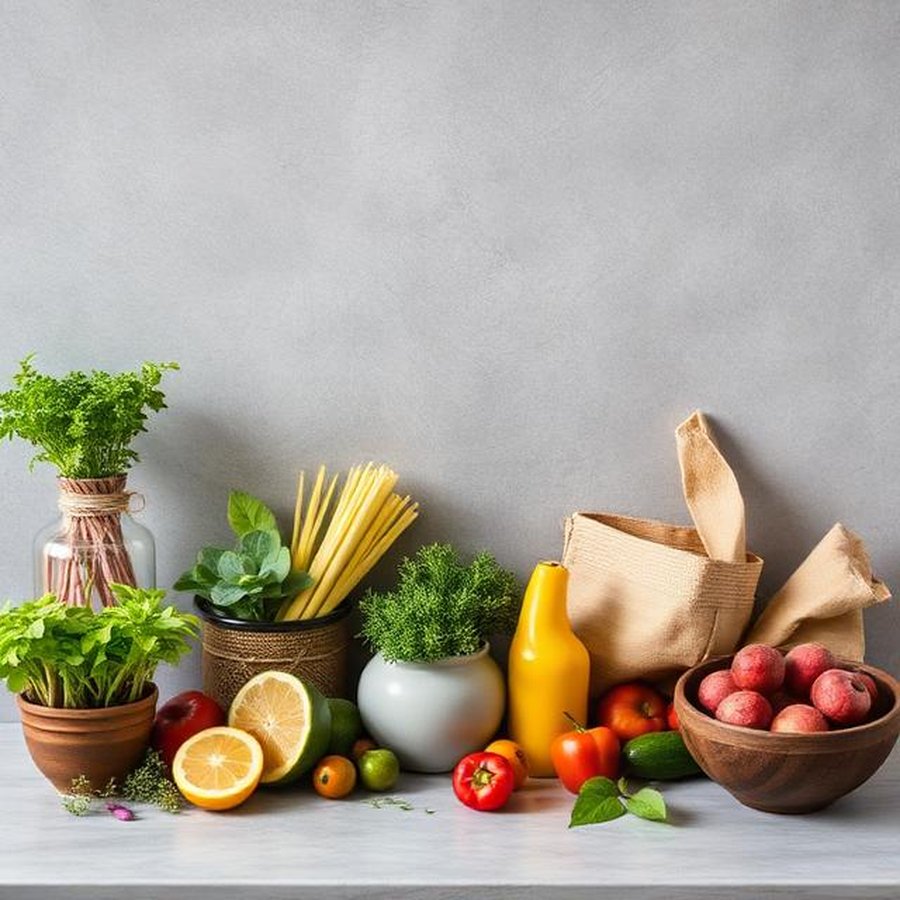
Electrolyte balance in the body can be effectively supported through thoughtful food choices. Vegetables such as carrots, cabbage, and spinach supply potassium and magnesium, helping maintain the body's internal stability. Fruits including bananas, oranges, and watermelon are important natural sources of these minerals. Adding nuts and whole grains brings additional calcium and magnesium into the diet. Combining these diverse foods consistently provides comprehensive nutritional support.
Why Electrolytes Matter More Than You Think
Electrolytes are charged minerals that regulate fluid distribution, nerve signaling, and muscle contraction throughout the body. Every heartbeat, every conscious thought, every movement depends on precise electrolyte concentrations being maintained across cell membranes. When electrolyte balance is disrupted — through sweating, illness, inadequate diet, or overconsumption of processed foods — people experience symptoms ranging from mild fatigue and muscle cramps to severe cognitive impairment and cardiac arrhythmia.
Modern diets, high in processed and packaged foods, tend to skew heavily toward sodium while delivering insufficient amounts of potassium, magnesium, and calcium. This imbalance — rather than overall mineral deficiency — is what creates many of the electrolyte-related symptoms people experience without knowing the cause.
Top Food Sources by Electrolyte Type
For potassium, bananas are well-known but avocados, sweet potatoes, and lentils actually contain higher concentrations per serving. A medium avocado delivers approximately 700mg of potassium — nearly 60% more than the same weight of banana. Spinach, white beans, and acorn squash are other excellent options that are easy to incorporate into meals regularly.
Magnesium is found in highest concentrations in pumpkin seeds, dark chocolate, almonds, and black beans. Magnesium is particularly important for those who exercise regularly, as it is lost substantially through sweat and plays a critical role in muscle recovery and energy metabolism.
Smart Food Preparation to Preserve Minerals
Beyond food selection, preparation methods matter. Boiling vegetables in large amounts of water leaches water-soluble minerals into the cooking liquid. Steaming, roasting, or lightly sautéing preserves a higher proportion of these minerals. Using vegetable cooking water as a base for soups or sauces is a practical way to recover minerals that would otherwise be discarded.
Food is your body's most reliable pharmacy. The right combination of whole foods can address most electrolyte imbalances more effectively and safely than any supplement.
A practical daily approach involves including at least one potassium-rich food, one magnesium-rich food, and one calcium source at each meal. This does not require complex planning — a meal of grilled salmon with spinach and a side of sweet potato accomplishes all three goals simply and deliciously. Building these patterns gradually makes them sustainable for life.
Practical ways to apply this today
Reading is useful only if it turns into a repeatable action. Pick one small change that matches your current level, schedule, and environment. Then repeat it until it feels automatic.
- Choose a baseline: what can you do comfortably right now?
- Pick one variable: time, intensity, or frequency — change only one at a time.
- Track the signal: energy, mood, sleep, breath, or performance (whatever matters most for this topic).
Common mistakes to avoid
Most people fail because of planning errors, not lack of motivation. These are the most frequent issues we see in Electrolyte Foods routines:
- Doing too much too soon and needing long recovery.
- Changing multiple habits at once and not knowing what helped.
- Ignoring environment — the easiest habit is the one your space supports.
- Relying on willpower instead of a simple schedule and reminders.
A simple 7‑day mini‑plan
This is a lightweight structure you can adapt. The goal is consistency and feedback, not perfection.
- Day 1: Set a realistic goal and prepare your environment.
- Day 2: Do the smallest version of the habit.
- Day 3: Repeat and note what was easy or hard.
- Day 4: Add a small upgrade (a little time or quality).
- Day 5: Keep it steady — don’t add more.
- Day 6: Review your notes and adjust one detail.
- Day 7: Repeat, then write a one‑sentence takeaway.
Quick FAQ
How do I know if I’m doing this correctly?
Use a simple marker you can measure: perceived effort, comfort, consistency, and a basic performance signal (like how long you can sustain the routine). Improvement should be gradual.
What if my schedule is inconsistent?
Make the “minimum version” of the habit so small you can do it on your busiest day. Consistency is built by lowering friction, not by adding pressure.
Can I combine this with other goals?
Yes — but introduce changes one at a time. If you add multiple new habits in the same week, it becomes harder to learn what actually works for you.
Summary
Foods That Naturally Balance Your Electrolytes is most effective when you turn the idea into a routine, reduce friction, and measure progress in a way that matters to you.